

Quick answer
Hard inquiries can usually only be removed early when they were unauthorized or lacked a valid permissible purpose. If you clearly applied for the credit product yourself, the inquiry normally stays until it ages off. The fastest way to know which is which is to compare every inquiry against real applications you remember making and then isolate anything you do not recognize.
Key takeaways
- A legitimate hard inquiry usually stays for up to 24 months, but unauthorized pulls can often be disputed earlier.
- Arizona borrowers usually feel inquiry damage most when they are racing a mortgage, auto-loan, or rental approval timeline.
- The smartest first move is not disputing everything. It is separating authorized inquiries from the ones that never should have happened.
- When fraud, multiple bureaus, or a time-sensitive approval is involved, professional inquiry removal usually makes the process cleaner and faster.
I get asked about hard inquiries all the time, especially by people who are about to apply for a mortgage, car loan, apartment, or business line of credit. A few legitimate inquiries usually are not the end of the world. But the wrong inquiry pattern, especially unauthorized pulls or dealership stacks, can absolutely cost you approvals, better rates, and leverage when timing matters most.
Decision framework
When an inquiry is worth fighting and when it usually stays
This is where most people waste time. The goal is not removing everything. The goal is identifying what was never supposed to be there in the first place.
Often removable
Unauthorized or questionable inquiries
- A lender name you do not recognize at all.
- Identity-theft or fraud-related inquiry trails.
- Dealership multi-pull situations you did not clearly authorize.
- A screening company or employer using the wrong inquiry type.
Usually stays
Authorized inquiry activity
- You knowingly applied for the credit product.
- The inquiry matches a real application you remember making.
- The pull was part of normal mortgage or auto rate shopping inside the expected window.
- There is no real factual basis to argue the inquiry was unauthorized.
Identity theft usually leaves an inquiry trail behind
One reason I take inquiry cleanup seriously is that it often sits inside a bigger fraud or approval problem. When fraudulent applications hit all three bureaus, the inquiry trail matters just as much as the accounts themselves.
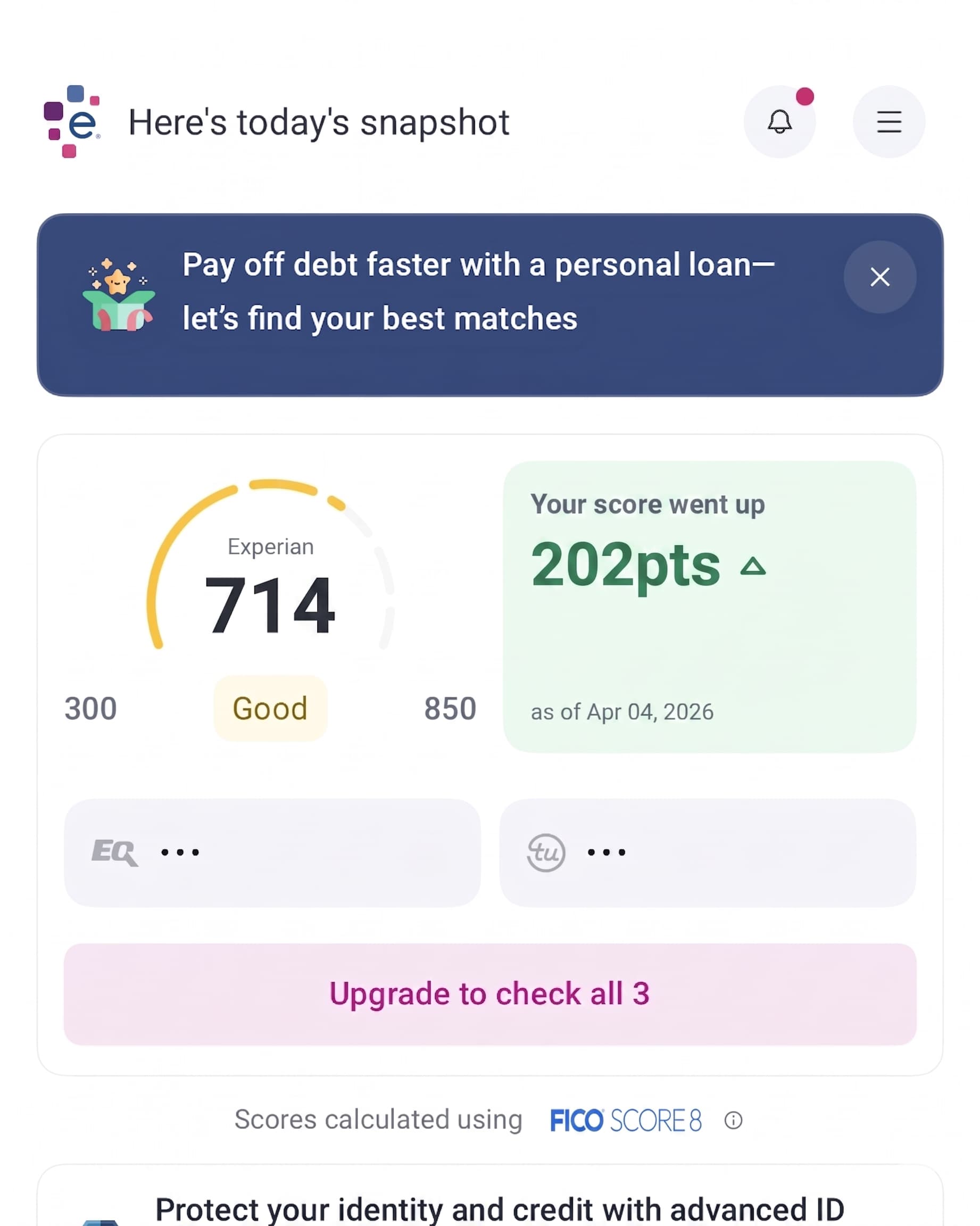
See more real resultsClient perspective“Someone stole my identity and completely destroyed my credit. Robert and his team removed all of it in under 90 days.”
Destiny R. | Arizona client | +202 points
What a hard inquiry actually means
A hard inquiry appears when a lender or creditor pulls your credit because you applied for something that involves actual risk review. Credit cards, personal loans, mortgages, auto financing, and some apartment applications can all generate hard inquiries.
Checking your own score does not create a hard inquiry. And when you are rate-shopping for the same type of loan inside the allowed window, scoring models often treat that more gently than random repeated credit applications spread across different products.
- Hard inquiries can lower your score for a period of time.
- They stay visible on your report for up to 24 months.
- Their impact is usually strongest when several appear in a short window.
When a hard inquiry can be removed
A hard inquiry is generally removable when it was unauthorized or when the company that pulled your report lacked a valid permissible purpose under the Fair Credit Reporting Act. In plain English, if you did not approve the pull or you do not recognize the company, that inquiry deserves immediate review.
The situations I see most often are identity theft, dealership multi-pull situations, and cases where the consumer expected a soft pull but ended up with a hard pull instead.
- You do not recognize the lender name at all.
- Someone pulled your credit during identity theft or fraud.
- A dealership generated multiple lender inquiries you did not clearly authorize.
- An employer or screening company used the wrong inquiry type.
When a hard inquiry usually stays
If you knowingly applied for a credit product and the inquiry was part of that application, it usually stays until it ages off naturally. That includes legitimate credit card applications, personal loans, and other applications you clearly initiated.
That is why my first recommendation is never to dispute everything blindly. The first job is figuring out which inquiries are truly disputable and which ones are just part of normal credit activity.
How Arizona borrowers should think about inquiry damage
For most Arizona clients, inquiry removal is not about vanity. It is about timing. Someone trying to qualify for a home loan in Phoenix, a car loan in Tucson, or a rental approval in Yuma may not have a year to wait for inquiries to age out.
When several recent pulls are stacked on top of collections, late payments, or identity-theft issues, the inquiry pattern becomes the extra friction that keeps an otherwise fixable file from getting approved.
What to do before you dispute anything
Pull your reports, identify every hard inquiry, and compare them against real applications you remember making. If the inquiry is connected to a legitimate application, leave it alone. If it is not, write down the lender name, bureau, and date.
If fraud may be involved, document it early. A strong inquiry-removal case is about precision, not volume. The more clearly you can show that the inquiry was unauthorized, the stronger the dispute will be.
- Check all three bureaus, not just one.
- Group inquiries by lender and date.
- Separate likely authorized pulls from unknown ones.
- Document fraud or identity-theft facts before disputing.
When professional inquiry removal makes sense
If you have one questionable inquiry and no urgent approval goal, you may be able to handle it yourself. But if you have multiple bureaus involved, a time-sensitive approval target, or possible fraud, professional help usually keeps the process cleaner and faster.
That is especially true when inquiry issues are part of a bigger credit picture. In those cases, inquiry removal should be coordinated with the rest of the report, not treated as a random one-off task.
Asked all the time
Frequently asked follow-up questions
Can I remove a hard inquiry if I really applied for the credit myself?
Usually no. If you clearly authorized the application, the inquiry normally stays until it ages off. The strongest disputes are the ones tied to unauthorized pulls, fraud, or a company using the wrong inquiry type.
How much can a hard inquiry hurt my score?
A single inquiry often costs around 5 to 10 points, but the real damage happens when several stack in a short window. That pattern can make approvals harder even when the rest of the file is still salvageable.
Do car dealership inquiries always count as one?
Not automatically. Rate shopping can be grouped more favorably, but dealership situations are messy. If the pulls were spread out, sent to multiple lenders without clear authorization, or handled poorly, you may still have disputable inquiries on the report.
When should I get professional help with inquiry removal?
When the inquiry issue is tied to fraud, several bureaus, a mortgage or auto-loan timeline, or a broader credit repair plan. That is when strategy and documentation matter a lot more than generic dispute letters.
Next steps
Keep going from here
Hard inquiry removal service
See the full service page for pricing, bureau-by-bureau process, and the situations we remove most often.
Open page ResultsReal Arizona credit repair results
Browse real client outcomes, score lifts, and identity-theft recovery cases tied to real-life approval goals.
Open page ConsultationStart a free consultation
If you want a straight answer on whether your inquiries are actually removable, start with a no-obligation review.
Open pageNeed help with hard inquiries right now?
If your report includes unauthorized or excessive hard inquiries and you want a straight answer on what can actually come off, start with the inquiry-removal page or book a free consultation.